


Key Highlights
- 2026-ready campgrounds prioritize connected guest communication, not more staff messages
- Physical + digital touchpoints (like iConnect Tags) replace paper maps and front-desk bottlenecks
- Strong design, print, SEO, and social visibility are now operational necessities not marketing extras
- Campgrounds that unify on-site experience with online discovery outperform competitors
- Many upgrades are modular, affordable, and fast to deploy
Introduction
As the 2025 season wraps up, campground owners are entering 2026 with a clearer understanding of what today’s guests expect. Travelers now plan trips online, confirm details on their phones, and rely on clear information once they arrive. When instructions are scattered or outdated, frustration rises quickly.
In 2025, successful campgrounds weren’t just scenic or well-located. They were easy to understand. Guests could find the property online, book confidently, arrive without confusion, and access information without standing in line at the office.
Public land agencies like the National Park Service consistently emphasize visitor clarity, safety communication, and accessibility across their campgrounds. Private campgrounds are facing the same expectations.
The campgrounds that struggled most weren’t lacking amenities; they lacked connected systems.
This year-end round-up breaks down the most important campground trends from 2025 and outlines what campgrounds should realistically improve for 2026, supported by best practices and relevant government resources.
Review of Key Campground Trends in 2025
Technology Upgrades and Digital Transformation
In 2025, campground technology matured. Operators moved away from disconnected tools and toward centralized guest experiences.
Winning properties adopted:
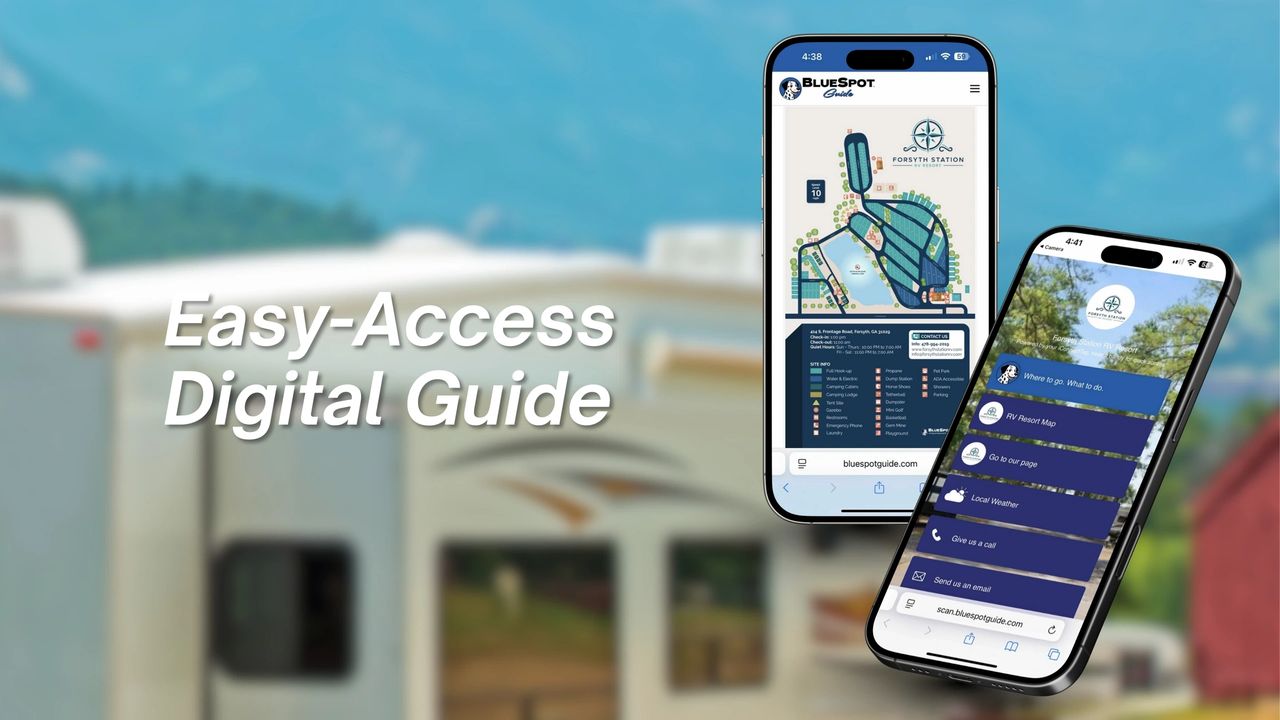
- Mobile-friendly digital guest guides
- QR-based access to maps, rules, and Wi-Fi info
- Automated arrival and stay communication
- Reduced reliance on paper, phone calls, and office traffic
This mirrors federal usability guidance that stresses making information easy to find and use on mobile devices, especially for visitors and travelers.
Sustainability Initiatives in Camping Facilities
Sustainability remained important but increasingly practical. Campgrounds focused on:
- Reducing printed materials
- Energy-efficient lighting and fixtures
- Durable signage and long-lasting materials
These improvements align with recommendations from the U.S. Environmental Protection Agency on waste reduction and energy efficiency.
Shifts in Camper Expectations and Lifestyle Preferences
Modern campers now expect:
- Answers without asking
- Instructions without confusion
- Information that works on their phone
Whether they’re families, retirees, or remote workers, guests value confidence and independence over novelty amenities.
Essential Modernization Strategies for 2026 Improvements
Integrating Smart Communication into Campsites
In 2026, the most important “smart feature” isn’t hardware, it’s communication placement.
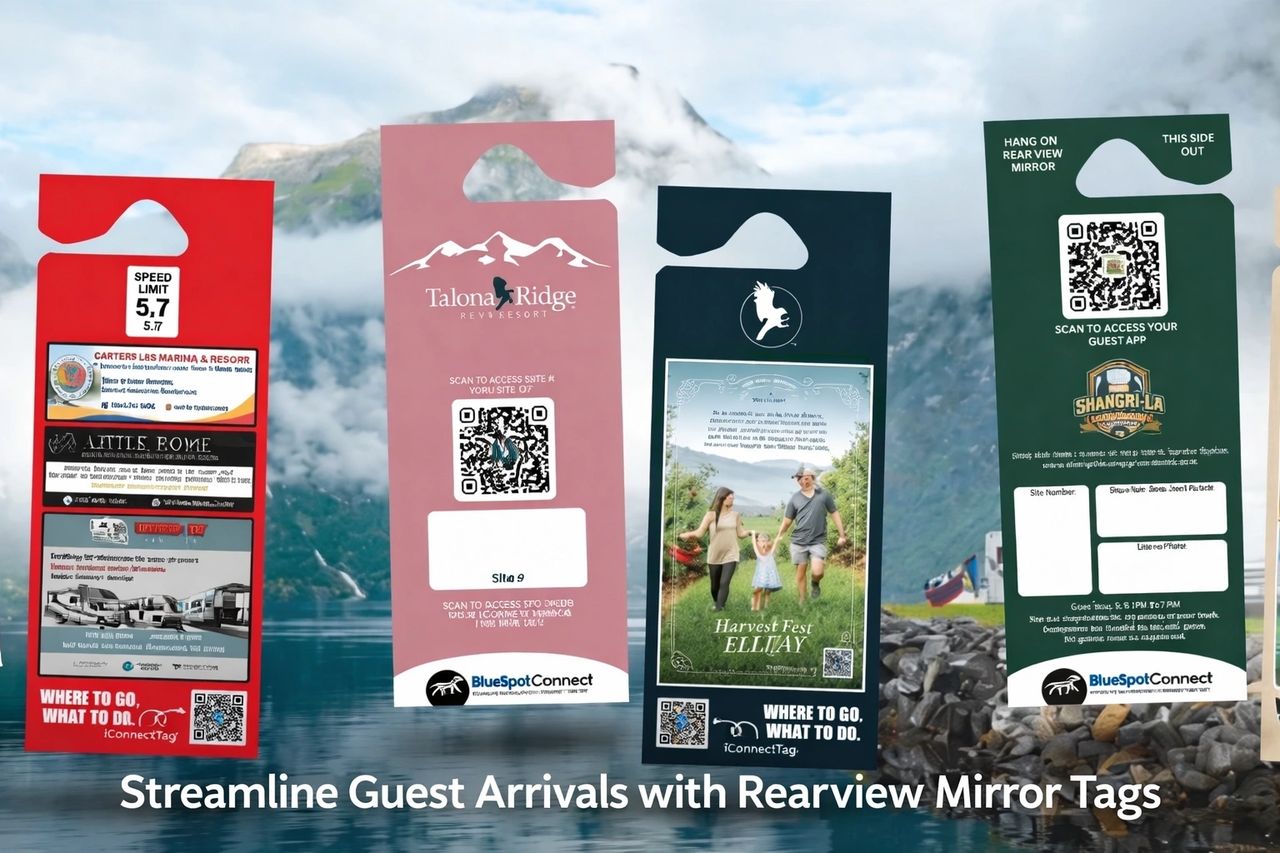
Campgrounds increasingly rely on iConnect Tags
These physical tags connect guests instantly to:
- Digital maps
- Rules and quiet hours
- Wi-Fi details
- Event updates
- Emergency and weather information
Placed at check-in points, cabins, bathhouses, and common areas, iConnect Tags eliminate repetitive questions and empower guests to self-serve.
Design & Print That Supports the Digital Experience
Digital tools only work when guests notice them. That’s why professional design and print matter more than ever.
Campgrounds upgrading for 2026 are investing in:
- Custom-branded iConnect Tags
- Clear, durable signage
- Printed materials designed to drive digital engagement
Well-designed physical materials act as bridges between real-world spaces and digital guest tools.
Enhancing Connectivity: Wi-Fi, iConnect Tags, and Mobile Integration
Connectivity complaints consistently rank among top negative reviews.
In 2026, improvement means:
- Reliable Wi-Fi where guests need it
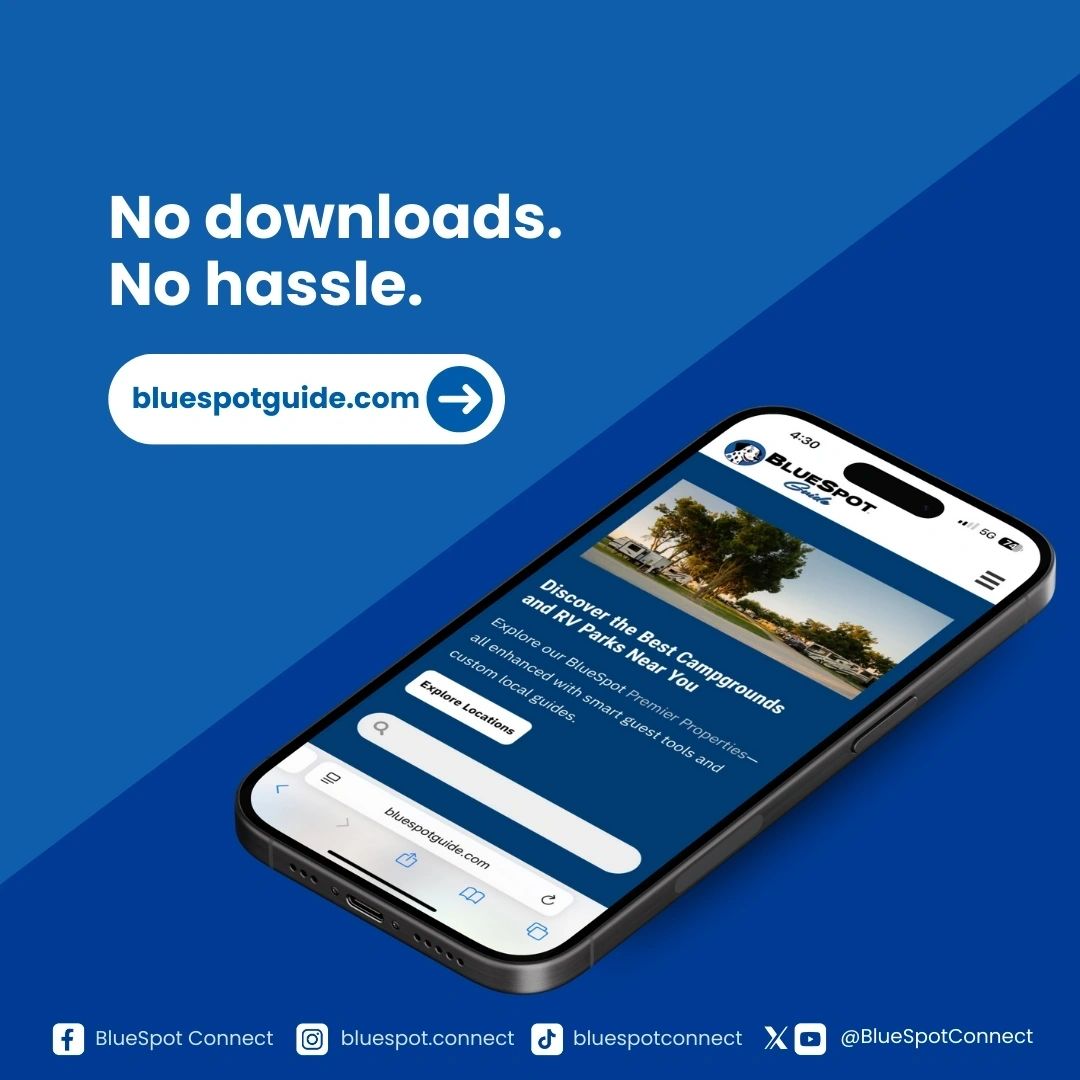
- One mobile-friendly guest hub not scattered links
- iConnect Tags placed where guests naturally pause
The goal is one scan, one source of truth.
Centralized communication becomes especially important during severe weather, as emphasized by the National Weather Service.
Popular Facility Upgrades Predicted for 2026
Innovative Restroom and Shower Renovations
Even with digital improvements, physical facilities still matter. Campgrounds prioritize:
- Cleanliness and lighting
- Simple signage with QR access to rules and hours
- Maintenance instructions that reduce staff intervention
Outdoor Gathering Areas with Digital Support
Fire pits, kitchens, and picnic zones work better when paired with:
- Posted quiet hours via QR
- Reservation or usage guidelines
- Event schedules accessible by scan
This reduces conflict while encouraging shared use.
Recreational Zones and Activity Spaces
Instead of overbuilding attractions, campgrounds are:
- Clearly defining zones
- Posting rules digitally
- Updating schedules in real time
Digital access keeps spaces flexible without constant reprinting.
Improving Housing Affordability within Campgrounds
Affordable Tiny Homes and Modular Cabins
Modular housing supports:
- Seasonal workforce needs
- Long-term guest stays
- Flexible pricing strategies
Clear digital communication helps manage expectations for these accommodations.
Flexible Pricing Models and Seasonal Stay Packages
Campgrounds in 2026 rely on online visibility to support flexible pricing.
That’s where SEO services become operational, not optional.
Strong SEO ensures:
- Campgrounds appear in local and regional searches
- Guests understand offerings before booking
- Fewer mismatched expectations at arrival
Construction & Expansion: Influences on the Future Camping Market
Impact of New Sites and Market Competition
As more campgrounds launch, visibility becomes critical. The winners will be properties that:
- Are easy to find online
- Communicate clearly before arrival
- Offer a polished, consistent experience
SEO and structured online presence now directly affect occupancy.
Adapting Layouts for Next-Gen Campers
Layouts increasingly support:
- Clear signage
- Fewer “where do we go?” moments
- Digital guidance instead of staff intervention
Quick Upgrades: Easy Wins for Campground Owners in 2026
Curb Appeal with Purpose
Entrance signs, lighting, and wayfinding should:
- Match brand identity
- Direct guests to iConnect Tags
- Reduce confusion immediately
Smart Booking, SEO, and Social Visibility
Modern guest journeys start before booking.
Campgrounds preparing for 2026 are aligning:
- Booking systems
- SEO strategy
- Social media management
Social platforms now act as:
- Trip inspiration tools
- Trust builders
- Communication extensions for events, updates, and reminders
Conclusion
Campgrounds heading into 2026 don’t need more systems, they need connected ones.
The most successful properties are aligning:
- Physical spaces
- Digital guest tools
- Online discovery through SEO
- Consistent communication across social platforms
With tools like iConnect Tags, professional design and print, SEO services, and social media management, campgrounds can reduce friction, improve reviews, and operate more efficiently without losing the heart of the outdoor experience.
The future of camping isn’t more complicated.
It’s more connected.
Frequently Asked Questions
What are the most cost-effective modernization ideas for campgrounds?
Digital guest guides, iConnect Tags, improved signage, and SEO offer the highest return with the lowest operational burden.
How will iConnect Tags improve guest experiences in 2026?
They provide instant, no-download access to essential information, reducing confusion, staff interruptions, and negative reviews.
Which trends should campground owners prioritize for 2026 improvements?
Focus on guest communication, digital discoverability (SEO), professional signage and print, and consistent social presence that supports the full guest journey.