


A Digital Guide has become part of how guests naturally look for information when they travel. Instead of relying only on printed materials, most people now check details on their phone, whether it’s a map, WiFi access, campground rules, or nearby recommendations. That shift has changed how campgrounds and tourist spaces share information.
Printed guides still have a role, especially for quick reference. What’s changing is how both formats work together. Instead of choosing one over the other, many properties are combining printed materials with a digital guest guide to create a more flexible and consistent experience.
Digital Guide vs Printed Guides: What Actually Works Today
Printed and digital guides serve different purposes, and understanding that difference helps explain why both are still in use. Most properties don’t replace one with the other; they use each where it fits best.
Printed Guides Still Offer Quick Access
Printed materials are simple and familiar, which makes them easy to use right away. Guests can quickly glance at a map or flyer during arrival without needing to search for anything.
Limitations Become Clear Over Time
The challenge with print is that it stays the same once it’s produced. If something changes, like office hours or local details, the information can quickly fall behind. Over time, this can lead to small gaps in what guests expect versus what they experience.
Digital Guides Extend the Experience
A Digital Guide fills in those gaps by offering updated and more detailed information in one place. Guests can check it at different points during their stay, not just at arrival. It also allows properties to include more context without overwhelming guests upfront.
Why Businesses Are Switching to a Digital Guide System
More properties are moving toward a campground digital guide system because it simplifies how information is shared. It also helps keep everything more consistent across different guest touchpoints.
It Keeps Everything in One Place
Instead of handing out separate materials for maps, rules, and recommendations, everything can be grouped into one digital hub. Guests don’t have to remember where they saw something or keep track of multiple papers.
Updates Happen Without Extra Work
Changes can be made directly without needing to print new copies or redistribute materials. This is especially useful during busy seasons when details change more frequently.
It Supports a More Flexible Setup
A digital system works across different arrival times, including early or late check-ins. Guests can review directions and important details on their own without depending on office hours.
How a Digital Guide Improves the Guest Experience
A well-built, mobile-friendly travel guide helps guests move through their stay with fewer interruptions. Instead of piecing information together, everything feels more structured and easier to follow.
Guests Can Find Information Faster
Guests can go straight to the details they need instead of scanning through multiple pages. This is especially helpful during arrival or when trying to locate something quickly. It also cuts down on repeated questions.
It Helps Guests Feel More Confident
Having clear access to directions, rules, and recommendations makes the experience feel more organized. Guests don’t have to second-guess where to go or what to do next. That clarity makes a noticeable difference, especially for first-time visitors.
It Supports Self-Guided Stays
Many travelers prefer handling things at their own pace. A digital guide gives them the option to check details, navigate the space, and explore nearby spots without waiting for assistance.
Blending Print and Digital Guides for Better Results
The most effective approach today is not replacing print, but connecting it with digital tools. When both are used together, they create a more complete system.
Printed Materials Can Guide Guests Online
Instead of trying to include everything on paper, printed materials can act as a starting point. Guests can scan a code or tap a link to access more detailed information that wouldn’t fit on a printed page.
Simple Access Makes a Difference
With tools like iConnectTags or iConnectTaps, guests can open a guide instantly without needing to download anything. The process feels natural since most people are already used to scanning or tapping their phone.
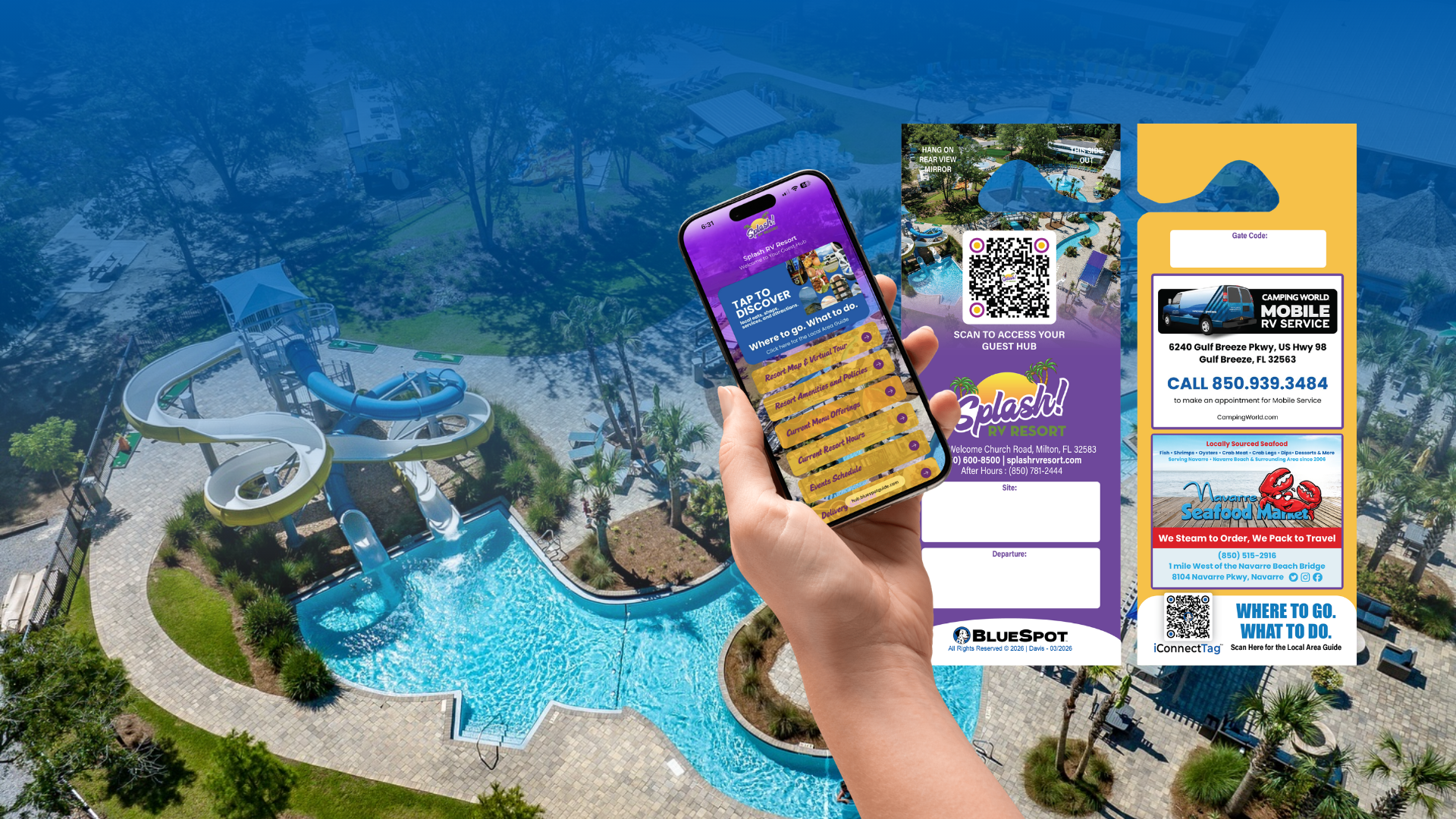
The Experience Feels More Connected
Whether guests begin with a printed map or go straight to their phone, they end up accessing the same information.
Using Interactive Maps Instead of Static Layouts
Maps are one of the areas where digital tools noticeably improve how guests navigate a space. A simple layout is helpful, but adding more context can make getting around much easier.
Printed Maps Show the Basics
A printed map gives a general layout of the property and highlights key areas like sites, amenities, and common spaces. It’s useful for getting a quick overview upon arrival and helps guests visualize where things are located at a glance.
Interactive Maps Add More Context
With iConnectMaps, guests can explore a map directly from their phone in a more detailed way. They can tap on locations, check amenities, and see how different areas connect, which adds more clarity than a static layout.
Navigation Becomes More Intuitive
Instead of interpreting a static map, guests can follow a clearer and more guided path. This makes it easier to move around confidently, especially in larger campgrounds or properties with multiple sections or loops.
Using a Digital Guide Before, During, and After the Stay
A Digital Guide supports guests across different stages of their stay, not just at check-in. It helps create a more consistent experience from the moment they plan their trip to after they leave.
Before Arrival, Guests Can Prepare Ahead
Guests can review directions, policies, and important details before they arrive. This helps set expectations early, so they know where to go and what to expect upon arrival. It can also reduce last-minute questions and make the check-in process feel smoother.
During the Stay, Information Stays Within Reach
From locating amenities to checking nearby spots, everything remains easy to pull up when needed. Guests can quickly check details without interrupting their plans or going back to the office.
After the Stay, It Extends Beyond the Visit
Some guests revisit the guide to remember places they visited or to plan another trip. It can also serve as a reference for recommendations they didn’t get to try.
Key Features of an Effective Digital Guide
Not every digital tool improves the experience. The most effective ones focus on clarity and ease of use, so guests can access information without overthinking the process.
No Download Setup Matters
Guests are more likely to use something that works instantly without extra steps. A no-download setup removes friction and makes access quicker, especially for first-time users. It also avoids the hesitation that usually comes with installing an app.
Organization Makes It Easier to Use
A clear structure helps guests find what they’re looking for without digging through too much information. When sections are well-organized, it feels more intuitive to navigate.
Familiar Actions Help Adoption
Scanning a QR code or tapping a phone is already part of everyday behavior for most guests. Using these familiar actions makes the guide feel easy to use right from the start. There’s no need for instructions or learning curves, which helps more guests actually use it.
Pros and Cons of Printed Guides
Looking at printed materials on their own makes it easier to see where they still fit, and where they fall short.
Printed Guides Pros
- Easy to hand out during check-in
- No need for a device or internet access
- Familiar and simple for quick reference
Printed Guides Cons
- Information becomes outdated quickly
- Limited space for details and updates
- Requires reprinting when changes happen
Pros and Cons of Digital Guides
Digital options offer more flexibility, especially as guest expectations shift toward mobile access.
Digital Guides Pros
- Easy to update without reprinting
- Accessible anytime from a phone
- Can include more detailed and organized information
Digital Guides Cons
- Requires access to a mobile device
- May depend on internet connectivity in some areas
- Some guests may still prefer printed materials
Are Digital Tourist Guides Better Than Printed Ones
This question comes up often, but it’s not really about choosing one over the other.
Printed guides still work well for quick visuals and simple reference, especially during arrival. On the other hand, digital guides are better suited for more detailed and frequently changing information.
Using both together creates a more balanced system, allowing properties to cover different needs without overwhelming guests. As more travelers rely on their phones, digital tools are naturally becoming a standard part of how information is shared, while print continues to support quick and familiar access.
How Digital Guides Support Local Exploration
A Digital Guide also helps guests connect with what’s around them, not just what’s on-site.
Guests Can Discover Nearby Options Easily
Guides can include nearby dining, shopping, and attractions, making it easier to plan activities without extra searching.
It Connects Guests to Local Businesses
Instead of broad suggestions, guides can highlight places that are relevant to the location. This creates a more local feel.
It Encourages Guests to Explore More
When options are easy to browse, guests are more likely to try new places. This adds more depth to their overall trip.
FAQs About Digital Guides for Campgrounds and Tourism
A campground digital guide system is a mobile-friendly setup that gives guests access to maps, rules, WiFi details, and local recommendations through their phone.
Many businesses are switching because digital guides are easier to manage, reduce printing needs, and offer a more flexible way to share information.
Digital guides provide more flexibility and updated content, while printed guides still work well for quick reference.
The best digital guides are simple, easy to access, and don’t require downloads. They focus on usability and clear organization.
They allow guests to check information anytime, helping them stay informed and move through their stay more smoothly.
Build a Smarter Digital Guide with BlueSpot Connect
A Digital Guide works best when it complements your printed materials, not replaces them. With tools like iConnectTags and interactive maps, guests can quickly access what they need without extra steps.
If you’re looking to simplify guest communication and create a more connected experience, explore BlueSpot Connect or get in touch with us.