


Local businesses can have a hard time with ads that do not cost too much or help them much. Billboards, radio ads, and big online ads can be very costly. These ads can cost thousands. Many times, these ads do not reach people who are close and want to buy right now. Because of this, campground-based digital ads are a strong choice for many. These ads keep costs down for you. They also reach travelers when they want food, supplies, or are looking for something to do.
Campgrounds get many guests every season. The people who stay there often stay for a few days. They like to go to close towns and look for places to eat and shop. They also want to check out the local places that are around. When a business shows up in campground digital guide, it gets seen by more people. These businesses can meet guests when they are ready to buy something.
For those who manage properties, it helps make the guest experience better. At the same time, it helps you build strong ties with businesses close by and gives support to the local economy.
Why Campground Advertising Works for Local Businesses
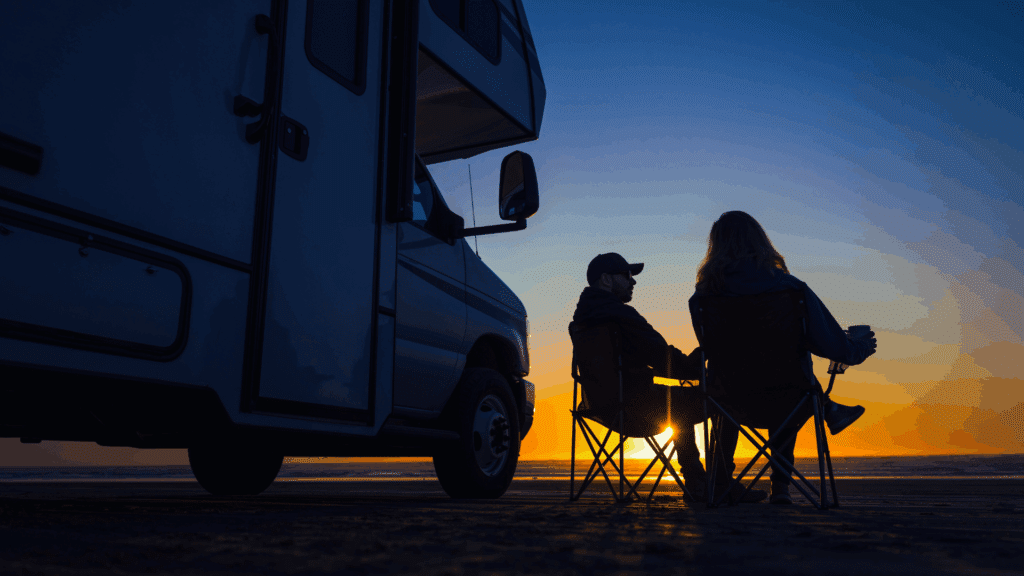
Campgrounds are not just places to stay for one night. They act like small, short-term communities. The people that stay there are new to the area. They are often looking for good tips and suggestions.
A family may want to get pizza after they check in.
A camper may need to find a repair shop that is close.
A couple might be looking for a café or a small store in the area.
In every case, the need already exists.
Campground advertising works because:
- Guests stay longer, so businesses get seen by them more often during those days.
- Purchase intent is high, mostly for food, supplies, and places people want to visit.
- Trust is built in, because listings feel like tips from the campground.
- Visibility is constant, because you are not hidden in search results or old flyers.
When a business shows up in a campground’s digital guide, it often becomes the easiest and the most trusted option for people.
Traditional vs Digital Campground Advertising

For many years, campgrounds used brochures, flyers, and printed maps to talk about local businesses. These things still help, but it is easy for people to lose them. A lot of the time, guests don’t look at them once they get to their campsite.
Digital advertising now fits well with how campers make plans each day. Many people use their phones for maps, reviews, and to choose where to eat. QR-based digital guides reach guests in the spot where they are already looking.
With iConnectTags, guests use their phone to scan a QR code when they check in or from a tag inside their car. They right away get local listings. The same info is there on iConnectMaps, which are printed maps with QR codes. It can also be found on iConnectTaps at the campground front desk or welcome boards.
Everything is linked to one simple Guest Hub that you do not need to download. It helps people get local information fast. Guests can use it when they get there, while they park, or when they come back after dark.
Benefits of Digital Guide Advertising for Local Businesses
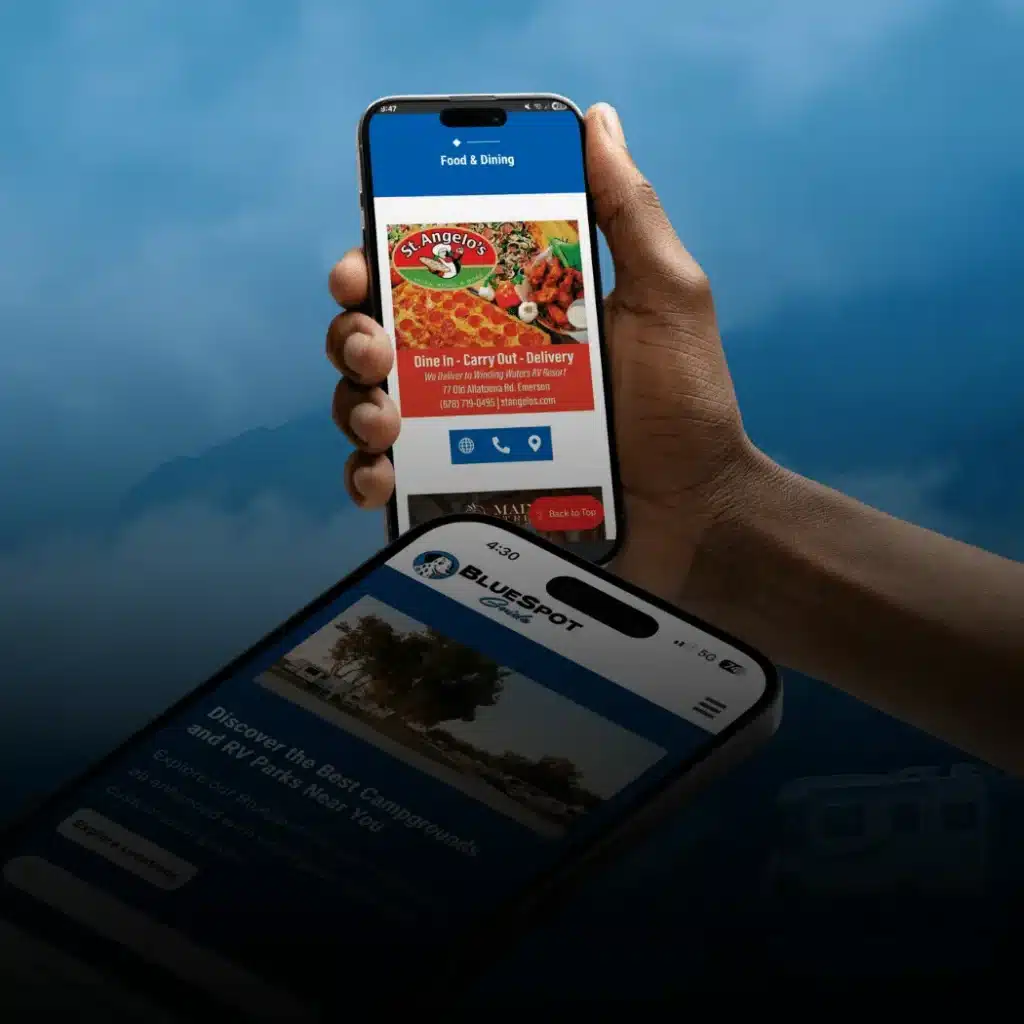
For small businesses, ads in a digital guide can be a good choice. They give you clear benefits.
- You can reach travelers who are already close by.
- The price is good when you look at radio, TV, or big online ads.
- People trust it more because campgrounds share these tips.
- Guests see your name many times since they read the guide often.
- People find your business who might not have seen it before.
A restaurant that is close to a campground can get more people if it is easy to find in a digital guide. It can go from not getting much attention to having all its tables booked.
Practical Ways to Advertise Through Digital Guides
Campgrounds can set up sponsored listings in ways that are good for guests and can change to fit their needs:
- Standard listings are in the digital area guide.
- Featured placements help dining, attractions, or services stand out.
- There are highlights for a season or event-based promotions.
- Welcome offers or discounts that are only for the campground are available.
These listings show up the same way on iConnectMaps, iConnectTags, and iConnectTaps. This way, guests always get up-to-date and correct information in one place.
Supporting Local Economies Through Digital Guides
Digital guide advertising helps not only one business but also the whole community. When people visit a place and find local restaurants, shops, or services easily, they spend more time and money in that area.
The U.S. Travel Association says that spending money on local tourism is very important. It helps small towns and places out in the country. This is even more true for areas where people go to be outside and have fun.
You can also investigate what the federal and state governments say about the economic role of tourism by checking official resources like:
- U.S. Department of Commerce – Tourism Economics:
- National Park Service visitor uses and local impact studies:
Campgrounds also get something good from this. Guests who know what is going on and feel sure about their stay often spend more time there. They also leave better reviews. Both things can help get more bookings in the future.
What Is the 3-3-3 Rule for Camping
The 3-3-3 rule is a simple travel tip that many campers use. It says that campers should:
- Do not drive more than 300 miles in one day
- Try to get there by 3:00 PM
- Be there for at least 3 nights
This rule is important for local advertising. When people stay longer, they see digital guides more often. Sponsored listings get seen many times because campers look at them when they plan meals, do errands, and pick activities for each day.
What Is the 200 Rule for Camping?
The 200 rule says you should try to travel only about 200 miles each day. This helps make the trip feel calmer. When people travel slower, they get to spend more time in the towns close by. This gives more time for local shops and places to get noticed by travelers. Campground digital guides also help these businesses get more people to visit them.
How Do I Advertise My Campground?
Campgrounds can promote themselves effectively by improving the guest experience while creating structured visibility opportunities for nearby businesses.
They can do this by:
- Providing a clean, simple digital area guide that guests naturally use during their stay.
- Using QR-based access tools to reduce staff workload and eliminate confusion at check-in or throughout the stay.
Local businesses gain visibility simply by being included where guests are already searching for answers. They reach visitors who are nearby, ready to spend, and actively looking for recommendations.
Federal recreation offices like the U.S. Forest Service want to give clear details for visitors. They focus on signs and directions to help people find their way. This helps people have a good time:
Digital guides help with these ideas.
What Is the 10-Year Rule for Campgrounds?
The 10-year rule is about planning for many years ahead. It also means making big changes to the campground to keep it in good shape as time goes on. Putting money into digital guest talk tools like sponsored local listings helps with this plan. It can make guests happier and bring in money again without the need for new buildings.
Why Digital Guides Are the Future of Local Advertising
People who travel now want to get information right away. Digital guides fit well with the way people use their phones today.
Key advantages include:
- You can always get to it from a phone.
- You can update things easy, with no cost to print again.
- It still gives people value, even after they go.
Tools like iConnectTags bring together trusted campground tips with the help of mobile tech. These let businesses find people who are close and want to get out and see new places.
Conclusion
Offering sponsored local listings through a structured digital guide helps organize local discovery in a way that feels natural to guests. Instead of scattered flyers, outdated brochures, or front desk questions, travelers access one clear, trusted source for nearby dining, essentials, and attractions.
BlueSpot Connect keeps the experience simple.
Through iConnectTags, guests scan and instantly open a mobile-friendly Digital Area Guide. iConnectMaps help them understand where things are in relation to the campground. Curated listings reduce noise and prevent information overload. Everything is organized, easy to navigate, and built around how travelers actually search during their stay.
The focus stays on guest experience.
Local businesses gain visibility where guests are already looking.
Staff workload stays lighter because answers are accessible without repeated explanations.
If you want a cleaner, more organized way to guide guests toward local businesses while maintaining a professional, well-managed experience, BlueSpot Connect was built for exactly that purpose.
Would you like to see how the Digital Area Guide works for your location?
Want to find out more or ask for free iConnectTags for your place?
Go to BlueSpot Connect to begin.
Frequently Asked Questions (FAQ)
Yes, most campers use their phones for things like maps, directions, and reviews. Digital guides are good because they make everything easy. You do not have to download an app, search on the web, or fill out paperwork. A guest will often scan guides more than once while they stay. This happens when they want to find food or pick what to do next.
Absolutely. In rural and outdoor destinations, discovery is often the biggest challenge. Digital guides help visitors find local restaurants, shops, and services they would otherwise miss, keeping more tourism dollars in the community.
When done correctly, no. Listings inside campground guides feel like curated suggestions, not intrusive ads. Trust increases when listings are relevant, helpful, and clearly tied to the campground’s recommendations.