


Introduction
Travel planning has changed dramatically over the past decade. In the past, travelers relied heavily on printed brochures, folded maps, and guidebooks to explore new destinations. Today, much of that same information is available instantly through digital tools on smartphones and tablets.
From campground welcome packets to city tourism brochures, travelers now have two main options: digital travel guides or traditional paper handouts.
Both formats can help visitors discover attractions, navigate unfamiliar areas, and plan activities during their trip. However, the way information is delivered can significantly affect convenience, accuracy, environmental impact, and the overall travel experience.
This guide compares digital travel guides and printed handouts, examining how they differ in accessibility, sustainability, navigation tools, and user experience. It also explores how modern systems such as QR-based guest hubs, interactive maps, and mobile-friendly travel guides are reshaping the way travelers access information today.
Understanding Digital Travel Guides and Paper Handouts
What Are Digital Travel Guides?
Digital travel guides are online resources designed for smartphones, tablets, and laptops. These guides organize destination information into a centralized digital platform that visitors can access at any time.
Typical features of digital travel guides include:
- Interactive maps
- Click-to-call contact information
- Real-time event updates
- Restaurant and attraction listings
- QR-code access points
- Integrated booking links
Unlike printed materials, digital guides can be updated instantly. If a restaurant changes its hours or an attraction temporarily closes due to weather, the information can be corrected immediately.
According to the U.S. Travel Association, digital platforms are playing an increasingly important role in tourism by improving communication between destinations and travelers.
Digital guides are widely used by:
- Campgrounds and RV parks
- City tourism boards
- Hotels and resorts
- Event organizers
- Outdoor recreation destinations
They bring local information together in one convenient location that travelers can access directly from their mobile device.
What Are Paper Travel Handouts?
Paper handouts include materials such as:
- Printed brochures
- Folded city maps
- Visitor guide booklets
- Flyers and rack cards
- Campground directories
For many years, these materials were the primary way tourism organizations shared local information. Travelers would stop at visitor centers or hotel lobbies to pick up printed guides for their trip.
Printed materials offer a tangible experience and do not rely on battery life or internet access. However, they also present several limitations.
Common drawbacks include:
- Information cannot be updated after printing
- Maps may be difficult to interpret
- Printed materials can be easily lost or damaged
- Printing and distribution can be costly
Despite these limitations, paper guides are still used in many tourism destinations, particularly in locations with limited internet connectivity.
Key Benefits of Digital Travel Guides
Real-Time Updates and Accurate Information
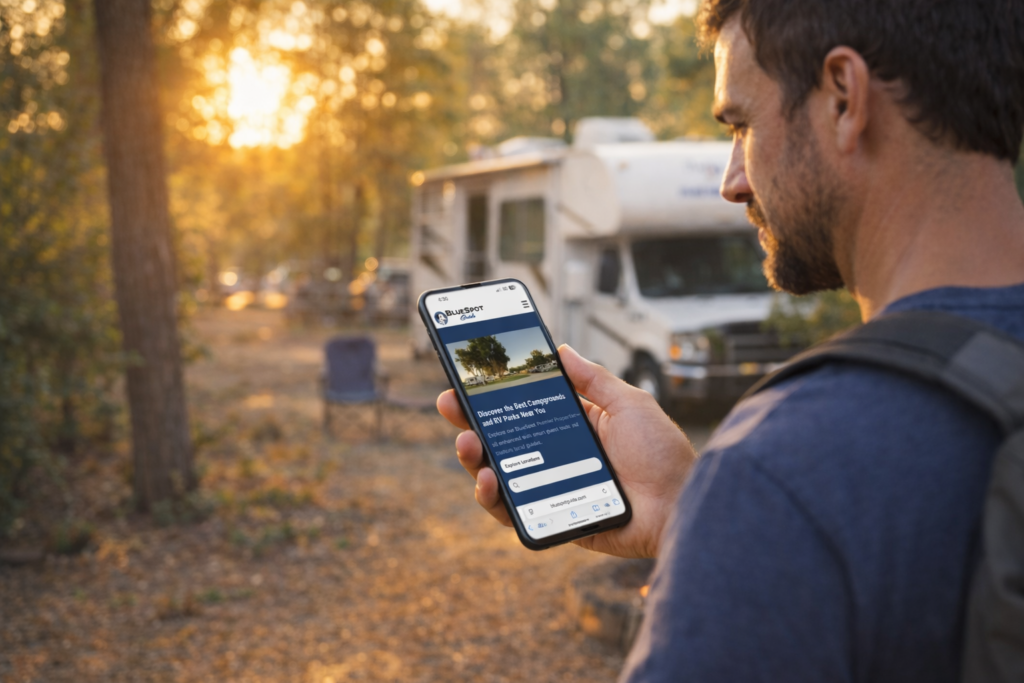
One of the greatest advantages of digital travel guides is the ability to provide real-time updates.
Travel conditions often change quickly. Road closures, weather alerts, event cancellations, and changing business hours can affect travel plans. Digital platforms allow tourism operators to update information immediately.
Government agencies such as the National Park Service (NPS) and the Federal Emergency Management Agency (FEMA) rely heavily on digital communication to share timely safety information with travelers.
Printed brochures, by contrast, remain static after they are distributed. If information changes, travelers may unknowingly rely on outdated details.
Digital guides help tourism providers maintain accurate information, improving both safety and traveler confidence.
Easy Access and Portability
Most travelers already carry smartphones during their trips. A digital travel guide eliminates the need to carry multiple printed materials such as brochures, maps, and schedules.
Instead of sorting through paper documents, travelers can search for information instantly.
Digital guides also allow users to:
- Tap phone numbers to call businesses
- Open navigation apps directly from listings
- Access booking links for attractions and tours
- View reviews or additional photos
For RV travelers, campers, and road trip enthusiasts, reducing clutter makes the travel experience simpler and more organized.
Navigation Tools: Interactive Maps vs Printed Brochures
Interactive Navigation with iConnect Maps
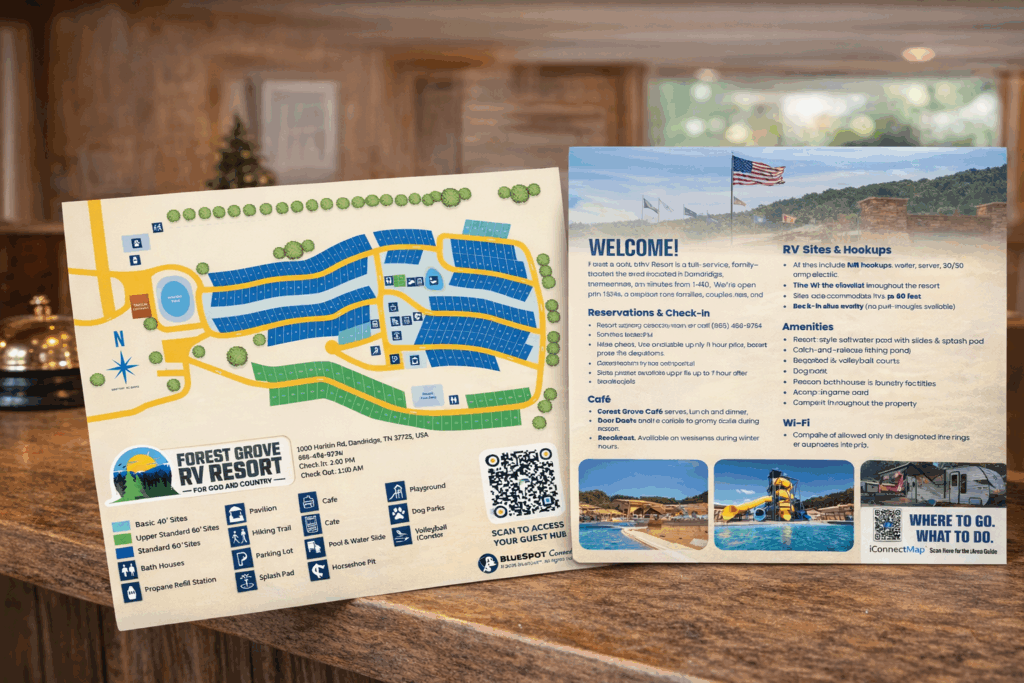
Interactive navigation tools such as iConnect Maps provide a modern alternative to traditional printed maps.
These tools typically include:
- Turn-by-turn directions
- Clickable business listings
- Real-time location updates
- Integrated contact information
Unlike printed brochures, interactive maps simplify navigation and reduce confusion for travelers exploring unfamiliar areas.
Digital navigation systems also benefit from real-time transportation updates provided by organizations such as the U.S. Department of Transportation.
For campgrounds and tourism destinations, interactive maps can help guests locate amenities, nearby attractions, and local services more easily.
Advantages and Limitations of Printed Brochures
Printed guides still provide several practical advantages:
- No battery or device required
- No internet connection needed
- Useful in remote locations
However, printed materials also have limitations:
- Difficult to read in low light
- No real-time updates
- No interactive navigation
- No direct links to businesses or booking systems
For many modern travelers, digital navigation tools offer a more efficient and flexible experience.
Environmental Impact: Digital Guides vs Paper
Reducing Paper Waste
Digital travel guides can significantly reduce the environmental impact associated with printed tourism materials.
The U.S. Environmental Protection Agency (EPA) encourages organizations to reduce paper waste as part of broader sustainability initiatives.
Printed tourism materials contribute to:
- Paper consumption
- Ink usage
- Shipping emissions
- Disposal waste
Many brochures are discarded shortly after being used, resulting in unnecessary waste.
Digital guides reduce the need for large print runs and ongoing distribution logistics, making them a more environmentally responsible solution.
Energy Use and Digital Devices
Digital platforms do require energy through mobile devices and internet connectivity. However, most travelers already carry smartphones and charge them regularly.
Because digital information can be shared instantly without printing or shipping physical materials, the overall environmental footprint is often lower.
The U.S. Department of Energy continues to support technologies that improve energy efficiency and reduce environmental impact.
While no system is completely impact-free, digital guides typically produce far less waste than printed brochures.
Accessibility and Information Retention
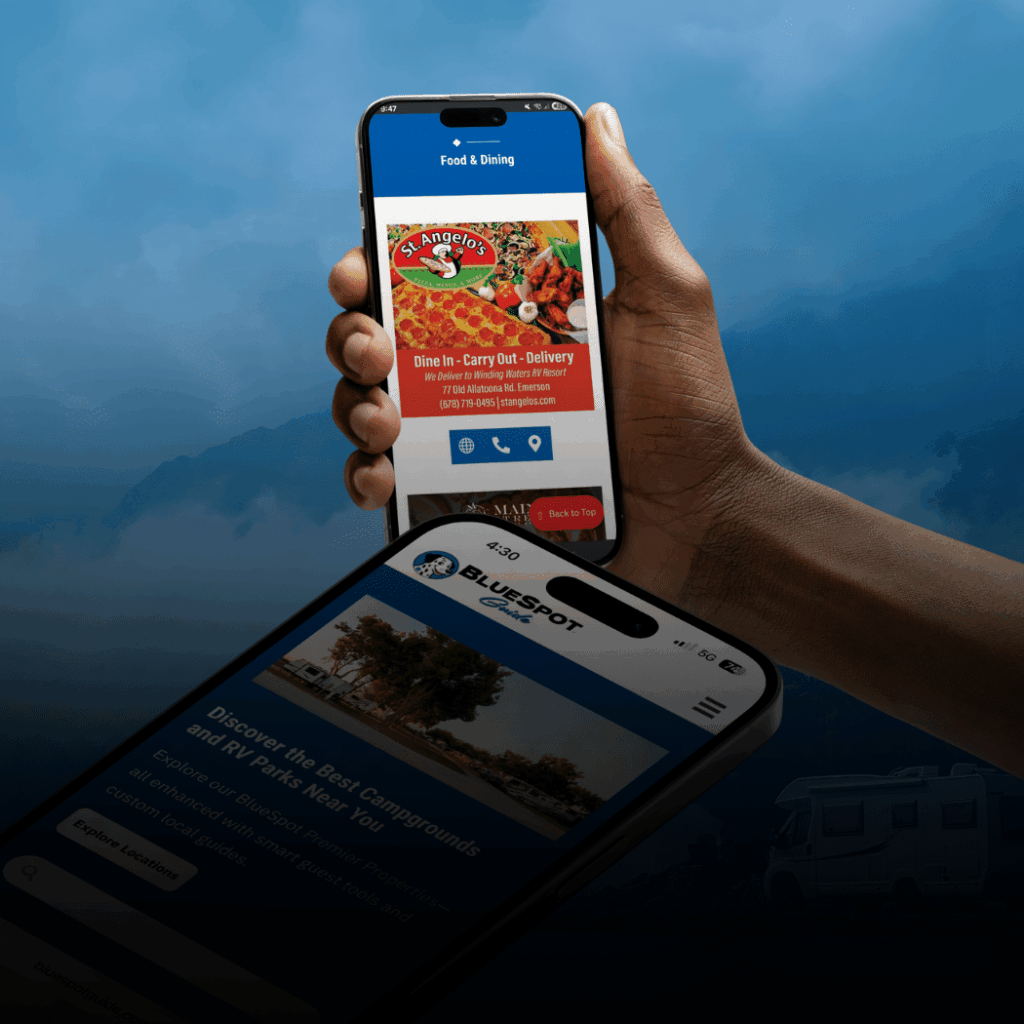
Digital travel guides often include features that improve accessibility and usability.
Common features include:
- Search functions for quick information access
- Category filters for activities and services
- Bookmarking options
- Video and photo galleries
- Adjustable text size
These features help travelers quickly find the information they need without flipping through pages.
Digital platforms can also support accessibility technologies such as screen readers and voice navigation. These tools align with federal accessibility standards established under Section 508 of the Rehabilitation Act, which promotes equal access to digital information.
Printed materials cannot adapt to user needs in the same way.
How BlueSpot Connect Enhances Digital Travel Guides
Modern campground and tourism destinations increasingly rely on simple, mobile-friendly guest information systems.
BlueSpot Connect digital guides are designed specifically for outdoor hospitality environments and include several key advantages.
No Download App Required
Many travel apps suffer from low adoption because guests prefer not to download new applications during short trips.
BlueSpot Connect solves this problem with a browser-based system, allowing guests to access information instantly without downloading an app.
QR-Based Guest Hub
Guests can simply scan a QR code placed on signage, check-in materials, or mirror tags to open a centralized digital Guest Hub.
This hub can include:
- Campground maps
- Wi-Fi instructions
- Park rules
- Local dining recommendations
- Activity suggestions
Because everything is organized in one place, guests can quickly find the information they need.
Local Advertising Opportunities
One unique feature of digital guest guides is the ability to support local business partnerships.
Campgrounds are often located near restaurants, outfitters, and attractions that want to reach visiting travelers. Digital guides can showcase these businesses within local recommendation sections.
This creates opportunities for advertising partnerships that benefit both the campground and nearby businesses, helping strengthen the local tourism economy.
Conclusion
When comparing digital travel guides and paper handouts, the differences are clear.
Digital guides provide:
- Real-time updates
- Interactive navigation tools
- Reduced environmental impact
- Greater accessibility
- Centralized travel information
Paper handouts still have value in areas with limited connectivity. However, they lack the flexibility and functionality required for modern travel planning.
As tourism continues to evolve, destinations that adopt digital guide systems can better meet the expectations of today’s travelers.
If you want to explore how digital guides can improve guest communication and simplify navigation, discover how modern solutions like interactive maps, QR-based access points, and centralized guest hubs are changing the travel experience for visitors and destinations alike.
Frequently Asked Questions
Yes. BlueSpot Connect digital guides are designed to load quickly and function well even in areas with limited connectivity. Because the system operates through a lightweight browser interface, guests can access essential information without downloading heavy mobile applications.
Digital guides support built-in accessibility features available on modern devices, including adjustable text sizes, screen readers, and voice navigation tools. These features align with federal accessibility guidelines such as Section 508.
Paper materials may still be helpful in situations such as:
Extremely remote locations without internet access
Guests who do not use smartphones
Backup materials during emergencies
However, for most travel destinations today, digital guides offer greater flexibility, sustainability, and convenience.
Discover a Simpler Way to Access Travel Information
Digital travel guides make it easier to explore destinations, find local businesses, and stay informed throughout your trip.
By combining QR-based access, interactive maps, and centralized guest hubs, modern platforms provide travelers with a convenient and organized way to navigate new places.
Whether visiting a campground, exploring a city, or planning a road trip, digital guides help simplify travel while reducing reliance on printed materials.