


Campers rarely wait until they see a highway sign to decide where they will stay. Most begin with a search on Google, Google Maps, or their phone—sometimes weeks before a trip and sometimes while they are already on the road.
They may search for “RV parks near Nashville,” “pet-friendly campgrounds with full hookups,” or “camping near a national park.” The campgrounds that appear prominently during these searches have a much better chance of earning the website visit, phone call, and direct reservation.
That makes campground SEO an essential part of staying competitive. A well-planned search strategy helps an independent park reach qualified travelers without relying entirely on paid advertising, third-party booking platforms, or repeat guests.
SEO has also become broader than placing keywords on a page. Search engines evaluate whether a website is useful, accessible, technically sound, locally relevant, and clear enough to help travelers make a decision. AI-powered search experiences have added another layer by helping people compare options through longer, more conversational questions.
Campgrounds that make their information easy to find and understand are better positioned to appear throughout that discovery process.
Which Campground SEO Factors Matter Most?
Campground SEO combines website content, local business information, technical performance, authority, and the experience visitors have after reaching a page.
No single improvement guarantees a top position. However, several elements consistently support stronger search visibility.
A Complete and Accurate Google Business Profile
A Google Business Profile can appear when travelers search through Google Search and Maps. It may display a campground’s address, phone number, reviews, photos, hours, website, and other details before the traveler visits the campground’s website.
Google explains that its local results are primarily influenced by relevance, distance, and prominence. Complete business information helps Google understand how closely a property matches a search, while reviews, links, and general recognition can contribute to prominence. Campground operators can review Google’s official guidance for improving local search rankings.
A campground’s profile should include:
- A consistent business name, address, and phone number
- The most accurate primary and secondary categories
- Current operating hours and seasonal information
- A working reservation or website link
- Updated photos of campsites, cabins, roads, and amenities
- Accurate attributes and property details
- Recent guest reviews and professional responses
A complete profile helps travelers evaluate a park quickly. It also reduces the chance that they will leave the listing because they cannot confirm basic information.
Useful Content That Matches Camper Intent
Search intent is the reason behind a traveler’s query.
Someone searching for “RV campground” may still be exploring broadly. Someone searching for “pull-through RV sites near I-75 with full hookups” has a much more specific need and may be closer to booking.
A campground website should address the questions guests commonly ask before making a reservation:
- What types of sites are available?
- Can the campground accommodate a large motorhome?
- Are sites full hookup, partial hookup, or primitive?
- Is the park pet-friendly?
- How far is it from a particular attraction or interstate?
- Are monthly or extended stays available?
- What amenities are included?
- What are the arrival, cancellation, and quiet-hour policies?
These details should be written for campers first. Keywords can help search engines connect a page with relevant searches, but repeating the same phrase unnaturally does not make a page more helpful.
Strong Property and Location Pages
Every important part of the guest experience should have a clear place on the website. Depending on the property, that may include pages for RV sites, tent camping, cabins, extended stays, amenities, rates, policies, nearby attractions, and group reservations.
Location-focused pages can also help a campground reach travelers searching around a nearby city, lake, park, interstate, or attraction. These pages should offer genuine information instead of changing a city name across several nearly identical templates.
A useful location page might explain:
- How far the campground is from the destination
- What type of route guests can expect
- Which nearby activities fit a day trip
- When local attractions are busiest
- What campers should bring
- How the campground works as a base for exploring the area
Specific local knowledge gives travelers a reason to use the page and helps distinguish it from generic destination content.
A Fast, Mobile-Friendly Website
Campers frequently search while traveling, so a website must work properly on a phone.
Visitors should be able to read site descriptions, examine rates, view photos, call the office, and begin a reservation without pinching the screen or navigating a confusing menu. Buttons should be easy to tap, and pop-ups should not block the information guests are trying to view.
Page performance matters as well. Large image files, unnecessary scripts, unstable page elements, and a slow booking system can create friction at the exact moment a traveler is ready to make a decision.
A campground website should prioritize:
- Compressed, properly sized images
- Simple navigation
- Readable mobile text
- Stable page layouts
- Secure HTTPS browsing
- Clear calls to action
- A mobile-friendly reservation process
- Working forms and phone links
Technical improvements support search visibility, but they also serve a more immediate business purpose: helping potential guests complete the booking process.
Consistent Information Across the Web
A campground’s information may appear on tourism websites, local directories, social profiles, mapping platforms, campground directories, and other business listings.
Major discrepancies can create confusion. The property name, address, phone number, and website should remain consistent wherever possible. Seasonal operating information should also be reviewed so guests do not encounter outdated hours or disconnected numbers.
Consistency gives travelers more confidence that the information they see is reliable.
How AI Search Is Changing Campground Discovery
AI-powered search has changed how some travelers research destinations and compare businesses. Instead of entering a short phrase, a camper might ask:
- “Where can I find a quiet campground near a lake that allows dogs?”
- “Which RV parks near Atlanta have pull-through sites for a 40-foot motorhome?”
- “What is a family-friendly campground close to hiking trails?”
- “Where can I stay overnight near I-75 without driving far from the highway?”
These questions combine several requirements. A campground has a better chance of being considered when its website clearly explains the experiences, site types, amenities, rules, and locations that satisfy those requirements.
Google’s official guidance for visibility in generative AI search reinforces the importance of foundational SEO. Crawlable pages, helpful original content, a clear technical structure, strong images, and accurate business information still matter.
Campgrounds do not need to rewrite every page for AI or create a separate version of their website for conversational search. They need to make their existing information complete, specific, and easy to understand.
Clear Information Helps AI Systems Make Better Matches
Vague claims such as “everything you need for a great vacation” provide very little useful detail.
Compare that with a description explaining that a park offers 50-amp full-hookup sites, pull-through access, a fenced dog area, Wi-Fi, laundry facilities, and sites that can accommodate RVs up to a stated length. The second version gives both travelers and search systems concrete information.
This is especially important for amenities that frequently affect booking decisions, including:
- Maximum RV length
- Pull-through and back-in availability
- Electrical service
- Pet policies
- Cabin features
- Accessibility
- Seasonal operations
- Wi-Fi availability
- Pool or recreation hours
- Extended-stay options
These details should be visible on the page rather than buried inside an image, downloadable brochure, or booking platform.
Structured Data Can Support Search Understanding
Structured data is code that describes information on a webpage in a standardized format. When appropriate and implemented correctly, it can help search engines understand details about a business, page, article, event, or frequently asked questions.
However, schema markup is not a shortcut to better rankings, and there is no special AI schema that guarantees inclusion in an AI-generated answer. The markup must accurately reflect information visitors can see on the page.
For campground websites, relevant structured data may include:
- Local business details
- Organization information
- Breadcrumb navigation
- Articles
- Events
- Videos
- Eligible FAQ content where supported
The website should still make sense to a traveler without the markup. Structured data supports strong content; it does not replace it.
Original Content Matters More Than Generic Volume
Publishing a large number of nearly identical articles is unlikely to build meaningful authority. Search engines increasingly prioritize content that offers useful information beyond what can be found across dozens of other websites.
For a campground, original content may include:
- First-hand guides to nearby attractions
- Seasonal driving and arrival advice
- Suggested weekend itineraries
- Explanations of site types and hookup options
- Local event guides
- Tips based on questions the front desk receives
- Property-specific camping checklists
- Accessibility and large-rig arrival information
A smaller library of genuinely helpful resources can provide more value than dozens of broad posts that could apply to any campground.
How Local SEO Drives Campground Visibility
Campgrounds are location-dependent businesses, which makes local SEO one of the most important parts of their overall strategy.
Travelers often search near a city, attraction, interstate, state park, or their current location. They may compare only the first few map results before choosing which websites to visit.
The scale of outdoor travel creates considerable opportunity. The National Park Service’s publicly available park visitation statistics show the continuing demand for trips centered on parks and outdoor destinations. Privately operated campgrounds near these destinations can benefit when their websites and listings make the location connection clear.
Strong local SEO should coordinate the campground’s website with its Google Business Profile and other online listings.
Important local signals include:
- Accurate contact and location information
- Detailed property descriptions
- Relevant nearby landmarks and destinations
- High-quality photos
- Guest reviews
- Links from local organizations
- Individual pages for important nearby areas
- Consistent business listings
- Up-to-date seasonal information
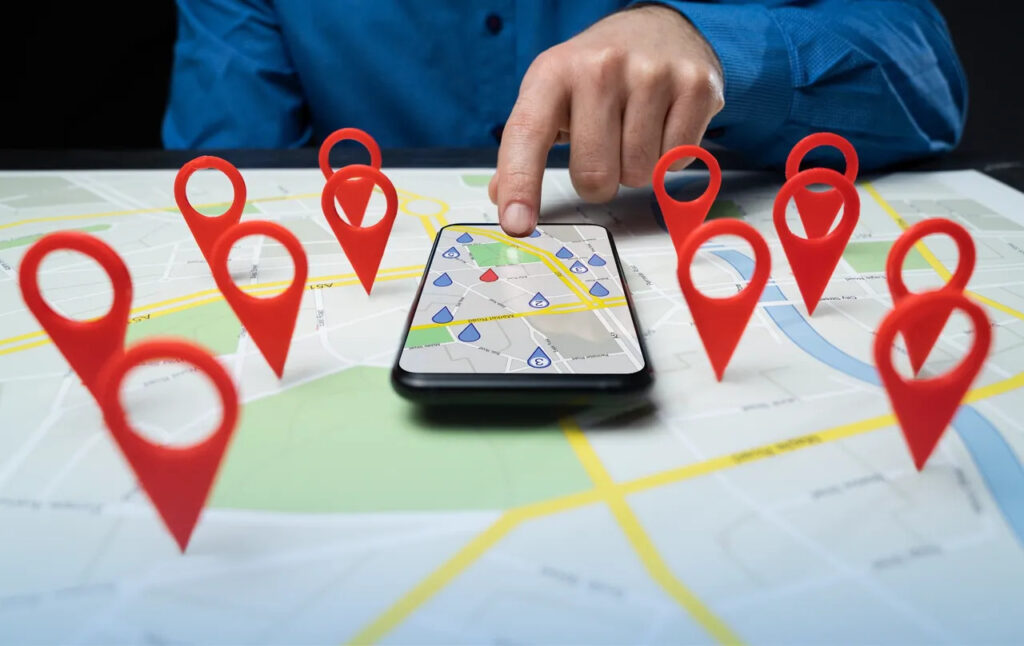
Maps also influence how guests understand a property before arriving. A clear printed or digital map can communicate site layout, road access, amenities, and important guest information. See how new technology is changing campground maps and review this local campground map example.
How Campgrounds Can Grow Organic Visibility
Sustainable organic growth usually comes from improving several connected areas rather than concentrating on a single keyword.
Build Pages Around High-Intent Searches
High-intent searches reveal a specific travel need. Examples include:
- RV parks near a particular city
- Campgrounds near a national or state park
- Big-rig-friendly RV sites
- Pet-friendly campgrounds
- Monthly RV sites
- Campgrounds with cabins
- Full-hookup sites near an interstate
A property should only target terms that accurately describe what it offers. Bringing the wrong visitor to a website may increase traffic, but it will not necessarily generate reservations.
Publish Practical Destination Content
Campground blogs can reach travelers before they have selected a place to stay. Local guides, itineraries, event information, and outdoor planning resources can introduce the property naturally while helping visitors plan a trip.
Good topics often come from conversations already taking place at the front desk. When several guests ask the same question, it may deserve a permanent page or blog post.
Organic content can also work alongside campground advertising strategies that improve local visibility. Paid campaigns may generate immediate exposure, while SEO continues building visibility over time.
Earn Relevant Links and Mentions
Links from credible websites can help search engines understand a campground’s reputation and relationship to its location.
Potential sources include:
- Local tourism organizations
- Chambers of commerce
- Outdoor recreation groups
- Travel publications
- Nearby attractions
- Event websites
- Local business partners
- Regional campground associations
Relevance and quality matter more than collecting a large number of unrelated directory links. A legitimate recommendation from a local tourism organization can be more valuable than dozens of low-quality listings created only for SEO.
Improve Existing Pages Before Creating More
Many campgrounds already have pages with useful information, but those pages may contain outdated rates, brief descriptions, broken links, old photos, or weak calls to action.
Updating an existing page can sometimes produce more value than publishing another article. A content review should look for opportunities to:
- Clarify site and cabin descriptions
- Update seasonal information
- add relevant internal links
- Replace outdated photos
- Answer common booking questions
- Improve title tags and meta descriptions
- Strengthen location details
- Make reservation buttons easier to find
This approach keeps the website accurate while building on pages that search engines may already recognize.
How Technical SEO Affects Direct Bookings
Technical SEO helps search engines crawl, index, and understand a website. It also removes obstacles that can prevent guests from completing a reservation.
A technical review should examine:
- Whether important pages can be indexed
- Broken links and missing pages
- Duplicate or unclear page titles
- Mobile usability
- Image sizes and formats
- Page loading performance
- Secure HTTPS connections
- XML sitemaps
- Redirects
- Canonical tags
- Structured data errors
- Booking engine performance
The reservation system deserves particular attention. A fast main website cannot compensate for a booking engine that is difficult to use on mobile, hides availability, or requires too many unnecessary steps.
SEO should not end when a visitor reaches the website. The entire path from search result to confirmed reservation needs to feel straightforward.
What Happens When a Campground Ignores SEO?
A campground without a clear SEO strategy does not disappear from the internet, but it becomes easier for better-optimized competitors to capture demand.
That can lead to:
- Lower visibility in map and organic results
- Greater dependence on paid advertising
- More reliance on third-party booking platforms
- Fewer direct website reservations
- Difficulty reaching new travelers
- Outdated information appearing in search
- Lost bookings to parks with clearer websites
Larger resorts do not automatically win search visibility. Independent campgrounds can compete effectively when they provide more useful local information, maintain accurate profiles, build strong guest reviews, and create a smoother path to booking.
Turn More Searches Into Campground Reservations
Campground SEO is no longer limited to adding destination keywords to a homepage. Today, it connects local search, helpful content, website performance, property information, reviews, images, technical accessibility, and the booking experience.
AI-powered discovery does not make these fundamentals less important. It increases the value of accurate, specific, and well-organized information that search engines can confidently present to travelers.
Campers are already searching for places to stay near your location. The question is whether they find your campground or book with a competitor instead.
A stronger SEO strategy can help your property appear in relevant searches, reach travelers who fit your offerings, and generate more direct reservations. From improving your Google Business Profile to creating useful local content, every improvement makes it easier for potential guests to find and choose your campground.
For help improving your search presence, website content, and local visibility, get expert guidance for your campground SEO strategy.