


Many campground owners assume the only way to increase income is by raising nightly site rates. While adjusting pricing can sometimes help, it isn’t always the best long-term strategy. Higher rates can discourage repeat visitors or make it harder to stay competitive with nearby parks.
Fortunately, there are several campground revenue ideas that can increase income without raising rates. By improving campground guest services, building partnerships with local businesses, and offering convenient add-ons, campgrounds can unlock new revenue streams while still providing great value for guests.
Here are seven practical strategies that can help campgrounds grow revenue while enhancing the guest experience.
1. Promote Local Experiences and Activities for Guests
Many RV travelers choose campgrounds based on what they can explore nearby. Outdoor adventures, unique attractions, and local events often influence where travelers decide to stay.
Campgrounds can increase revenue by promoting these experiences and even helping guests book them. For example, highlight nearby hiking tours, fishing charters, kayaking rentals, or guided sightseeing trips.
When campgrounds build relationships with local activity providers, they may earn referral fees or create bundled packages that benefit both businesses and guests.
2. Offer a Digital Guest Guide Featuring Local Businesses
One effective way to improve guest communication and reduce reliance on printed materials is by offering a digital area guide.
Instead of relying on brochures or bulletin boards, many campgrounds now provide mobile-friendly guides that guests can access through QR codes or links. These guides highlight nearby restaurants, attractions, stores, and services that RV travelers often look for during their stay.
BlueSpot Guide allows campgrounds to provide digital area guides that showcase local businesses, attractions, and helpful travel information. Guests gain an easy way to explore the surrounding area, while campground teams can share trusted recommendations with visitors. Because these tools are digital, campgrounds can offer helpful guest resources without paying for additional software or constantly reprinting materials.
3. Add Mobile Ordering for Firewood, Ice, or Campground Supplies
Convenience plays a big role in the overall camping experience.
Allowing guests to order items such as firewood, ice, propane refills, or snacks directly from their phones can increase campground store sales while improving convenience for guests. Instead of walking to the office or store, campers can place an order and have items delivered to their site.
Mobile ordering systems also encourage impulse purchases, especially during evenings when campers are relaxing around the fire.
4. Feature Local Attractions in Guest Communications
Campground staff often receive the same questions from guests:
- Where should we eat tonight?
- What attractions are nearby?
- What should we see while we’re here?
By sharing these recommendations through digital guest communications, campgrounds can improve the visitor experience while supporting nearby businesses.
Tools that centralize guest communication make it easier to share announcements, local recommendations, and updates in one place, accessible to guests throughout their stay.
5. Sell Premium Guest Experiences at Your Campground
Not every camper is looking for the same type of stay. Some travelers prefer a simple campsite, while others are willing to pay extra for memorable experiences.
Campgrounds can create premium offerings such as:
- Guided nature walks
- Bike, kayak, or paddleboard rentals
- Campfire packages with s’mores kits
- Outdoor movie nights or themed events
- Shuttle transportation to nearby attractions
These experiences improve the guest stay while creating additional revenue opportunities for the campground.
6. Partner With Local Businesses for Cross-Promotion
Local partnerships can benefit both the campground and the surrounding businesses.
For example, a campground could partner with a nearby restaurant to offer a small discount for campers, while the restaurant promotes the campground to travelers visiting the area.
Other potential partners include:
- Tour operators
- Outdoor equipment rental shops
- Wineries or breweries
- Local markets or bakeries
These partnerships strengthen the local tourism network and can generate referral commissions or local sponsored promotions.
7. Use Digital Guest Communication Tools to Reduce Printing Costs
Many campgrounds already provide maps, Wi-Fi instructions, activity schedules, and local recommendations to their guests. Turning these resources into digital platforms can also support advertising placements from local businesses that want visibility with campground guests.
Local businesses that want visibility among RV travelers may pay for sponsored listings, banner placements, or featured recommendations inside guest resources.
Digital tools such as QR codes, interactive maps, and mobile-friendly guest hubs make it easier for campers to access important information from their phones. Instead of relying on printed materials, guests can quickly view campground maps, explore nearby restaurants and attractions, or find helpful services in the area.
For campground owners, these digital tools can significantly reduce the cost of printing campground maps, parking passes, and other materials that typically need to be replaced each season.
These strategies demonstrate how RV parks can increase revenue without raising campsite rates by improving guest services, local partnerships, and digital guest communication.
How Digital Guest Communication Tools Improve Campground Operations
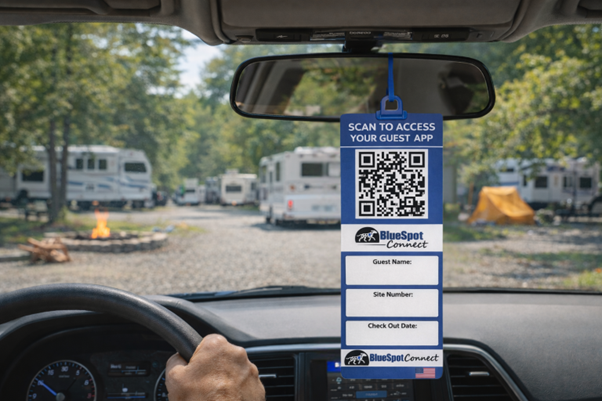
As more campgrounds adopt mobile-friendly technology, digital guest hubs are becoming valuable tools for both guest experience and campground operations.
A centralized digital platform can combine campground maps, communication tools, guest information, and local recommendations in one convenient place. This helps campers quickly find what they need while allowing campground owners to highlight nearby businesses and services.
Solutions like BlueSpot Connect help campgrounds bring these features together through iConnectMaps, iConnectTags, and digital guest hubs. With these tools, campgrounds can provide digital guest information without needing to pay for separate software or replace expensive printed materials each year.
Frequently Asked Questions About Campground Revenue
Campgrounds can grow revenue by offering add-ons like firewood delivery, equipment rentals, and premium experiences. Partnerships with local businesses and improved guest services can also create additional opportunities for on-site spending.
RV parks can collaborate with restaurants, tour operators, and local attractions through cross-promotion, referral programs, or guest discounts. These partnerships help both businesses reach more travelers while improving the overall guest experience.
Digital guest guides help campgrounds organize important information such as maps, schedules, and local recommendations in one place. They also reduce the need for printed materials, which can save time and operational costs.
A digital campground guide is a mobile-friendly resource that provides campground information, local attractions, restaurants, and services in one place. Guests usually access it through a QR code or link on their phone.
RV travelers often discover nearby businesses through campground recommendations, travel apps, and digital area guides that highlight local attractions and services.
Campgrounds commonly use digital guest guides, QR codes, automated emails, and digital guest hubs to share important information, maps, schedules, and local recommendations.
Improve Guest Experience and Communication with BlueSpot Connect
Campgrounds that focus on guest experience and local partnerships often find new ways to grow revenue without increasing site rates. Digital tools make it easier to share information, promote nearby businesses, and keep guests connected during their stay.
With BlueSpot Connect, campground owners can create modern guest experiences using tools like iConnect tags and guest hubs. These solutions help parks communicate with guests, highlight local attractions, and reduce the need for printed maps, paper guides, and expensive campground apps.
Explore how BlueSpot Connect can help modernize campground operations and enhance the guest experience.