


Introduction
Welcome to the modern campground. QR code Technology is changing how business owners talk with guests. These easy-to-use squares can give people a lot of relevant information, from site maps to event schedules and safety updates. But if you use static QR codes, the info can go out of date fast. Keeping QR code content new is important if you want guests to have a smooth, stress-free visit.
In this text, we will look at why updating QR information for each season is not only smart, but also needed for your campground to do well.
Why Seasonal QR Code Updates Matter for Modern Campgrounds
At a modern campground, QR codes and QR code editing are at the heart of guest communication. A fast scan lets people access maps, event times, and safety notes, while advanced features of dynamic QR codes ensure that information remains up to date. But if you use static QR codes that never change, your “helpful” links can quickly become old and misleading.
Seasons, activities, and amenities change often. Maybe the pool is only open in summer, or fall weekends include special events. When you update your QR content to match what’s really happening at your print materials park, guests feel more confident, informed, and happy during their visit.
How QR Codes Enhance the Campground Experience
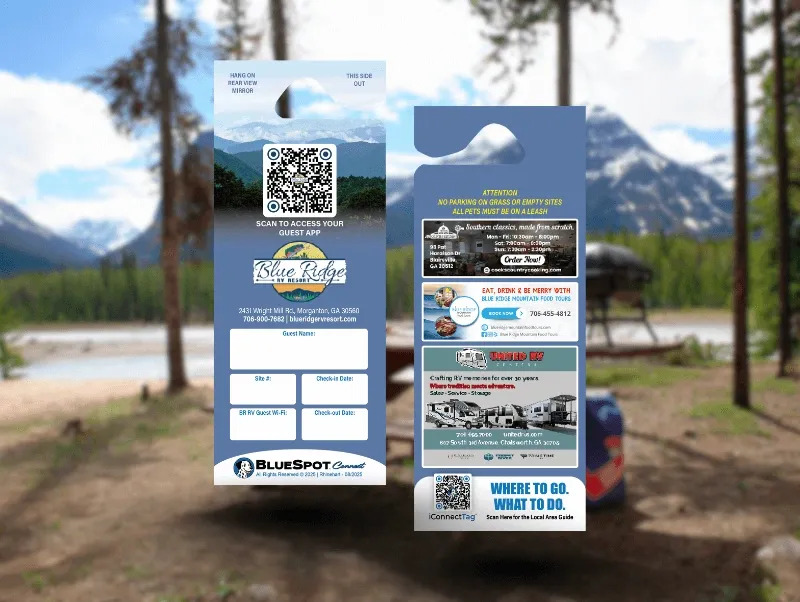
For today’s campers, QR codes make everything easier. With just a scan, they can quickly get:
- Check-in instructions
- In real time, you no longer need to hand out piles of paper or fill the front desk with people asking simple questions. Guests get what they need on their phones, which they already use for directions, weather, and messaging.
- Campground maps
- Rules and policies
- Local recommendations
You no longer need to hand out piles of paper or fill the front desk with people asking simple questions. Guests get what they need on their phones, which they already use for directions, weather, and messaging.
This reduces how often your staff must answer the same questions on marketing materials, such as:
- “What time do quiet hours start?”
- “Where can I find the dump station?”
- “Is there anything going on this weekend?”
When people can get information with one quick scan, staff can spend more time welcoming guests, solving real problems, and improving overall experience.
Some campgrounds also use QR codes like a simple digital business card. One scan can connect guests to your contact info, social media, and a guest guide all in one place. Used well, QR codes become the main digital hub for your park.
How Campgrounds Use QR Codes as a Digital Guest Hub
Campgrounds across the U.S. are replacing messy bulletin boards and outdated handouts with QR-powered digital hubs. A single URL QR code can take guests to a landing page designed just for them. This might include:
- Interactive or downloadable campground maps
- Park rules and safety tips
- Wi-Fi and contact details information
- Links to your booking site and social media profiles
Some pages even include a social media QR code generator or links that make it easy for campers to follow and tag your park online.
With the right platform, you can also check QR scan analytics. You can see which pages people visit most, when they scan, and what devices they use. This data helps you improve your digital guide, highlight the most useful info, and remove items nobody uses.
Why Outdated QR Content Hurts Guest Satisfaction
Picture this: a guest scans a QR code labeled “Pool Hours” and sees last season’s schedule. Or they scan for weekend activities but find a blank calendar. Instead of getting help, they feel confused and disappointed about the number of scans indicating a lack of relevant information.
Outdated QR content can:
- Make people lose trust in your signs and printed materials, negatively impacting the user experience.
- Lead to more negative reviews, like “Info was wrong everywhere”
- Send upset guests back to the office or store because they still have questions
To keep QR codes helpful instead of harmful, treat them like live communication channels, not permanent signs that never change. Use them to:
- Give real-time updates on events, weather closings, or trail information
- Update rules, amenities, or hours whenever something changes
- Make sure things like pool access and holiday events match what is happening on the ground
Keeping QR content current shows people that your park is organized, paying attention, and caring about their experience.
Static vs. Dynamic QR Codes: What’s the Difference?
When you make a QR code, you usually pick between a static QR code and a dynamic QR code.
Static QR Codes
A static QR code is set to show one website link or piece of info. After you make and print the code:
- The QR code destination cannot be changed
- There is no scan tracking or analytics built in
- Fixing mistakes or updating text requires printing and using a new code
Static codes are best when the information does not change, like a link to your main website or a long-term PDF.
Dynamic QR Codes
Dynamic QR codes use a short link that you can change anytime through your QR code management system. With dynamic QR codes, you can:
- Change the destination URL without printing new signs, tags, or flyers
- See scan analytics, including time, location, device type, and total scans
- Run seasonal campaigns using the same printed code
- Fix broken links or update old content right away
That flexibility makes dynamic QR codes ideal for:
- Activity calendars
- Seasonal events and promotions
- Amenity hours
- Real-time alerts
- Partner offers with local businesses
Put simply, if the info can change later, it belongs behind a dynamic QR code.
Why Seasonal QR Updates Are Essential for Campgrounds
Most campgrounds look very different in July than in October. Your QR-linked content should change with the seasons too.
Reflecting Seasonal Activities and Amenities
Each season brings different experiences:
- Spring: opening dates, early-season amenities, muddy trail warnings
- Summer: pool and lake hours, kids’ activities, busy weekends
- Fall: leaf-peeping weekends, fall festivals, earlier quiet hours
- Winter: limited amenities, extra safety rules, partial closures
If a QR code on your welcome sign always points to the same summer schedule, guests visiting in fall or winter are likely to be confused.
Dynamic, seasonal QR updates let you:
- Swap in a new activities calendar at the start of each season
- Highlight seasonal safety messages such as fire danger or trail conditions
- Adjust amenity hours and availability, including updated product details.
- Promote special holiday weekends and events
Resources like the National Park Service camping guidance focus on planning for seasons and safety. Your own QR-linked content can echo those ideas in a way that fits your campground.
Keeping Local Partnerships and Promotions Fresh
Your campground is part of a wider local community. QR codes are a simple way to highlight nearby businesses and attractions, such as:
- Restaurants and coffee shops with seasonal restaurant menus
- Outfitters and tour companies
- Festivals and events
- Local attractions and historic sites
Seasonal QR updates let you:
- Show a “partner of the month”
- Rotate discount offers with local businesses
- Keep hours and services current as local shops change
Guests get more value from their stay, and your local partners get more visibility and traffic.
How to Update QR Code Information Without Reprinting
If you are using dynamic QR codes, updating the content is simple:
- Log in to your QR code or guest experience platform.
- Find the QR code you want to update (for example, “Welcome Sign QR”) that links to a new destination.
- Change the destination URL to your new landing page, schedule, or guide.
- Save your change, then test the code with a phone.
The printed code on your rearview mirror tags, site posts, brochures, park maps, and welcome boards stays the same. Only the content behind the scan changes.
This is especially helpful when you need to quickly share new information, such as adjusting hours after bad weather or closing a trail for a short time. Agencies like the Cybersecurity & Infrastructure Security Agency (CISA) remind groups to update and manage digital tools carefully and securely, which applies to QR-linked info as well.
Security and Privacy Considerations for QR Code Links
When you change where QR codes send people, including the QR code link, you also must think about security and guest trust.
Best practices include:
- Linking only to secure (HTTPS) pages
- Picking a QR code platform that people trust
- Avoiding collecting data you do not need
- Telling people if you use analytics or tracking on QR-linked pages
The Federal Trade Commission (FTC) gives clear advice for businesses that handle consumer information and online tools. The same ideas apply to QR code sites.
You do not have to use big technical words with guests. The main goal is to make sure they feel safe, trust what you offer, and see that it is handled in a professional way.
Managing QR Codes Year-Round: Quick Best Practices
To keep your QR system effective:
- Set a seasonal review schedule. At the start of each season, review your main QR destinations and make sure they are still correct. The free plan offers a great way to start managing your QR code effectively.
- Assign a “QR owner.” Choose one staff member to manage and update links.
- Test regularly. Scan your most visible codes like a guest would and make sure they still work and show the right information, including real-time QR code scans.
- Use analytics. See what guests click most and move important items closer to the top.
- Keep print and digital matched. If you change a schedule in your QR-linked guide, update any printed references.
When your QR codes always work and share accurate information, people feel good using them. They learn they can count on your codes and on you.
Conclusion
To sum up, updating your QR code info each season is essential if you want campground visitors to have a better, more informed experience. When you keep QR content fresh and accurate, guests always have the latest details about activities, amenities, and local partners. Dynamic QR codes let you make these changes fast, without reprinting materials, so you can move with the seasons instead of falling behind them. All of this helps create a warm, well-managed atmosphere that encourages people to come back year after year. If you want to make your campground better, start by updating your QR code information regularly.