
Introduction
By 2026, digital area guides will no longer be a “nice to have” for campgrounds and RV parks. They will be an operational standard.
Today’s travelers arrive with different expectations than they did just a few years ago. They rely on their smartphones for navigation, trip planning, and local discovery, and they expect clear information without having to ask for it. Paper maps, printed binders, and bulletin boards struggle to keep up with real-time updates, seasonal changes, and last-minute alerts.
Digital area guides solve this problem by centralizing information in one easy-to-access place. They help guests find answers quickly while reducing staff workload and improving clarity, safety, and overall satisfaction.
The Rise of Digital Area Guides in Outdoor Hospitality
What’s Driving the Shift
Several factors are accelerating the move toward digital area guides across campgrounds and RV parks:
Mobile-first travel behavior
Most travelers now use smartphones for navigation, trip planning, and decision-making. Static materials can’t adapt to this behavior or stay current.
Operational efficiency
Many campgrounds operate with small teams, especially during peak seasons. Digital guides reduce repetitive questions and allow guests to self-serve common information.
Safety and accuracy
Weather advisories, burn bans, road closures, and seasonal restrictions change quickly. Digital guides make it easier to share timely updates and link to trusted external resources when needed.
Public land managers such as the National Park Service and U.S. Forest Service already rely heavily on digital visitor information, reinforcing the expectation that outdoor destinations provide clear, up-to-date guidance.
Changing Guest Expectations
Modern guests want answers immediately:
- Where do I check in?
- What are the quiet hours?
- Is there a burn ban today?
- What attractions are nearby and open now?
Guests no longer want to search multiple platforms or wait in line at the office. A single, mobile-friendly digital area guide meets these expectations while reducing friction throughout the stay.
What Is a Digital Area Guide?
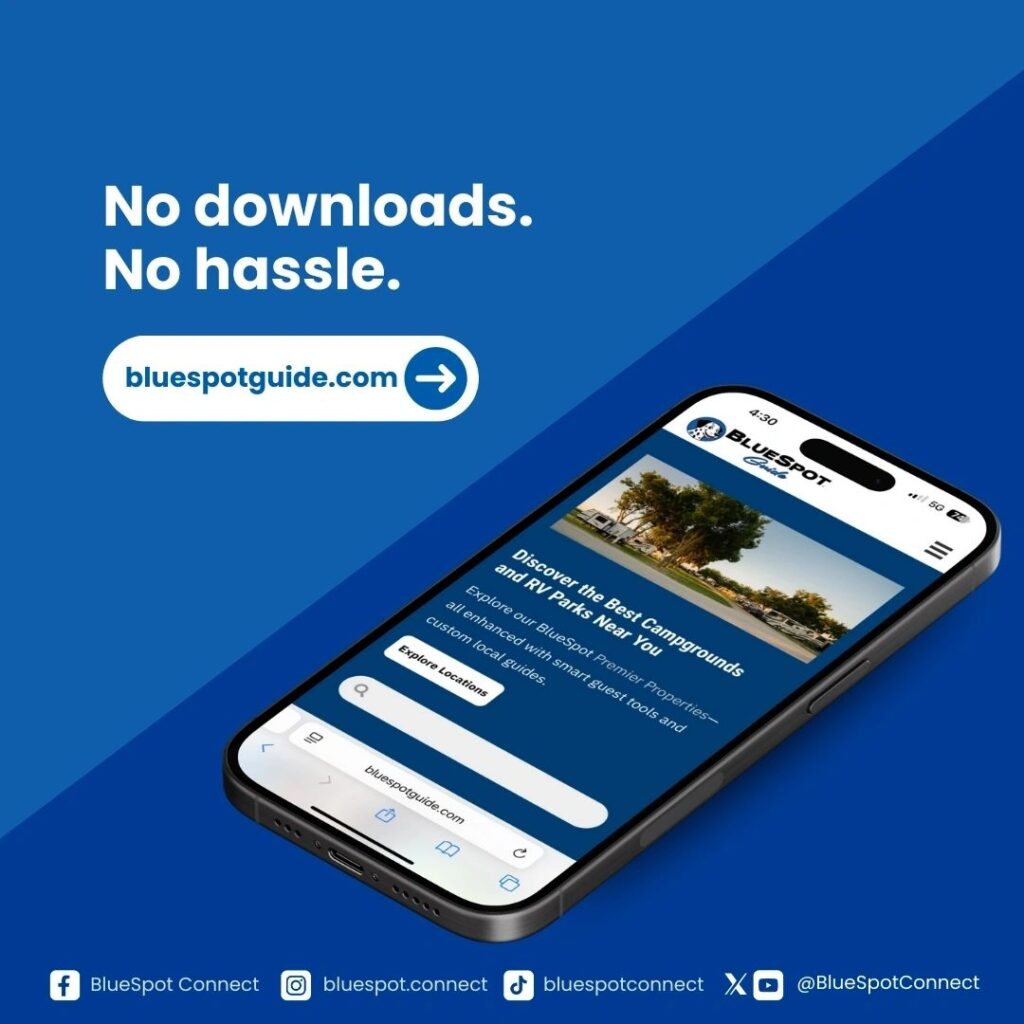
A digital area guide is a centralized, web-based hub that guests can access instantly, typically by scanning a QR code or tapping an NFC access point.
Unlike PDFs or generic websites, effective digital area guides are:
- No-download and mobile-friendly
- Easy to update in real time
- Structured around guest needs
- Designed for clarity, not marketing
A well-built guide may include property information, maps, local recommendations, safety notices, and helpful links all in one place.
How iConnectTags, iConnectTaps, and iConnectMaps Support Digital Guides
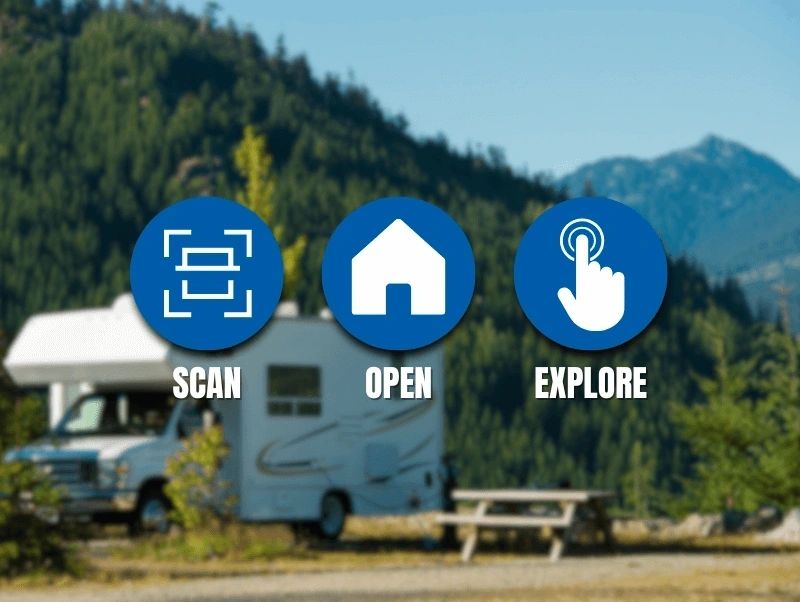
Digital area guides are most effective when paired with physical access points throughout the property.
iConnectTags are scannable QR tags placed on printed materials such as maps, signage, vehicle tags, and handouts. Guests scan them with their phone camera to open the guide.
iConnectTaps are NFC-enabled tap points placed at front desks, kiosks, welcome boards, and other high-traffic areas. Guests tap their phone to instantly open the same guide.
iConnectMaps are printed maps handed out at check-in that include QR access to the digital area guide for deeper, up-to-date information.
No matter how guests access the guide, they are taken to the same centralized experience.
What Every Digital Area Guide Should Include
Local Information That Actually Helps Guests

Strong digital area guides go beyond basic directions. They provide practical, hyperlocal information such as:
- Nearby towns, dining, and attractions
- Seasonal events and festivals
- Parks, trails, and recreation options
Linking to official sources when appropriate helps ensure accuracy and builds guest trust.
Clear Structure and Easy Navigation
The most effective guides follow a simple, logical flow:
- Arrival and check-in essentials
- Property rules and safety information
- Maps and navigation
- Local recommendations and experiences
Clean layouts, clear headings, and visual cues help guests scan information quickly on their phones.
Interactive Features That Improve the Guest Experience
Digital area guides can include simple interactive elements that make information easier to use, such as:
- Tap-to-navigate maps
- Location-specific access from QR tags
- Checklists for arrival or departure
These features help guests feel oriented and confident, even during busy weekends or late arrivals.
How Digital Area Guides Empower Guests
When information is clear and easy to access, guests make better decisions:
- Which activities fit today’s weather?
- Is downtown walkable or a short drive?
- Are there seasonal restrictions in place?
Providing reliable, up-to-date information allows guests to explore independently without feeling uncertain or frustrated.
Building Trust Through Accuracy
Trust is built through consistency and accuracy. Digital area guides that are easy to update and well-organized signal professionalism and care.
Guests notice when information is current, and that confidence often shows up in reviews and repeat visits.
Frequently Asked Questions
How can I tell if a digital area guide is reliable?
Look for clear organization, consistent formatting, and links to trusted external resources when appropriate.
What are the biggest advantages of digital guides over printed ones?
Digital guides update instantly, reduce printing costs, improve accessibility, and support real-time information sharing.
Do guests need to download an app?
No. A well-designed digital area guide is web-based and accessible without any app downloads or accounts.
Conclusion
Digital area guides are quickly becoming essential infrastructure for campgrounds and RV parks, not just a marketing add-on.
By combining mobile-friendly design with scannable iConnectTags, tap-enabled iConnectTaps, and printed iConnectMaps, properties can deliver clear, consistent information that guests can access anytime.
As travel continues to evolve, properties that rely solely on paper materials will feel increasingly outdated. Those that adopt digital area guides will be better positioned to meet guest expectations, support staff, and operate more efficiently heading into 2026 and beyond.
Ready to modernize your guest experience?
BlueSpot Connect helps campgrounds and RV parks replace outdated paper materials with digital area guides, iConnectTags, and scannable tools that guests can access anytime. Explore how BlueSpot Connect simplifies communication and builds guest trust before your next season begins.